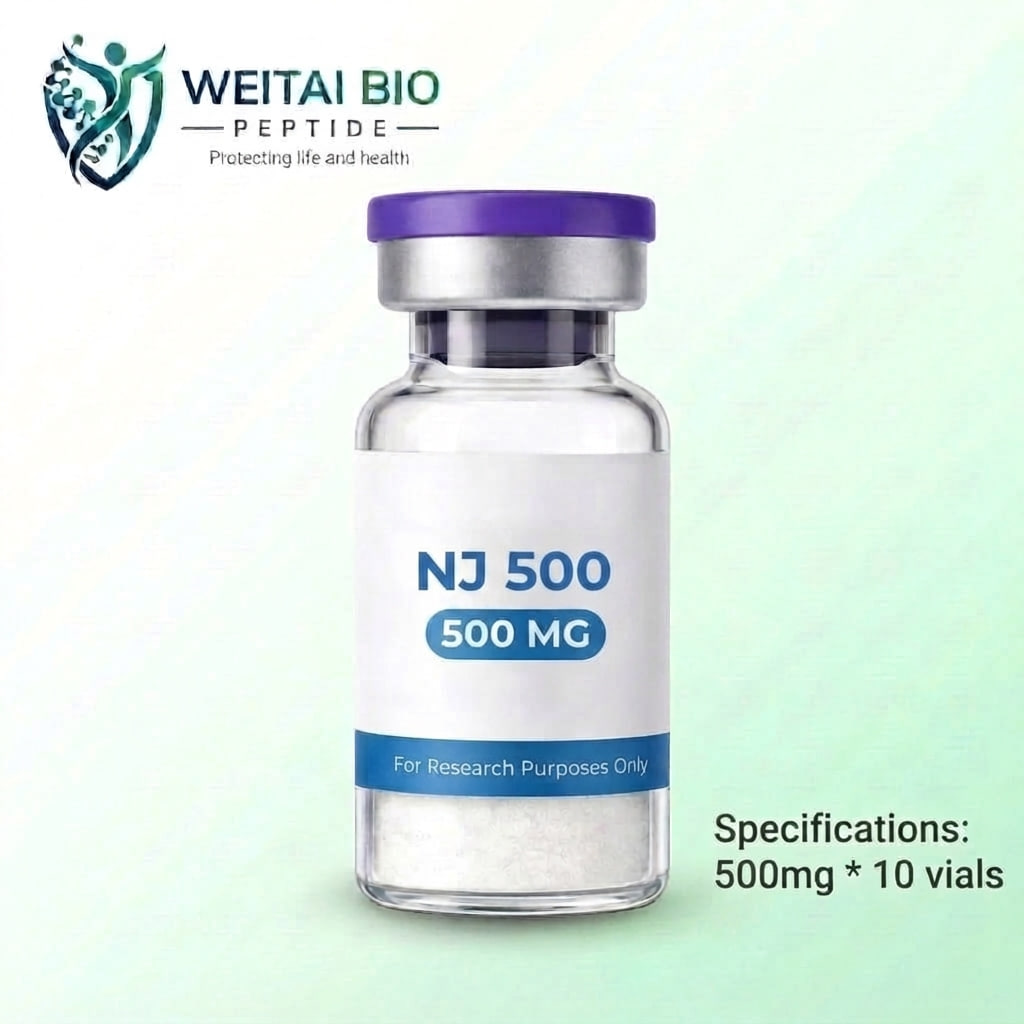
NAD+ (NJ500) is an important intracellular coenzyme molecule that participates in redox reactions, energy metabolism, and cell biological mechanisms.
NAD+ (NJ500), or nicotinamide adenine dinucleotide, is an important coenzyme molecule widely found in biological cells. NAD+ plays a crucial role in redox reactions, electron transport, mitochondrial function, and cellular metabolism. As a classic biochemical research molecule, NAD+ is widely used to study cellular energy metabolism, redox balance, enzymatic reaction mechanisms, and NAD+-dependent protein regulation. The product is typically supplied as a white to off-white powder and its quality is confirmed using methods such as HPLC and LC-MS.
NAD+ (NJ500) is primarily used in research on cell metabolism, biochemistry, molecular biology, and aging-related mechanisms. Researchers utilize NAD+ to study mitochondrial energy metabolism, redox reactions, the function of NAD+-dependent enzymes (such as Sirtuins and PARPs), DNA repair mechanisms, cellular stress responses, and coenzyme metabolic networks. As a core metabolic coenzyme in life activities, NAD+ is an important tool molecule for studying cellular energy conversion and metabolic regulation.
Freeze-dried powder state:
Recommended:
Long-term storage:
-20℃
Requirements:
✅ Protect from light
✅ Dry
✅ Store in an airtight container
Avoid:
High temperatures
Repeated freeze-thaw cycles
Prolonged exposure to air
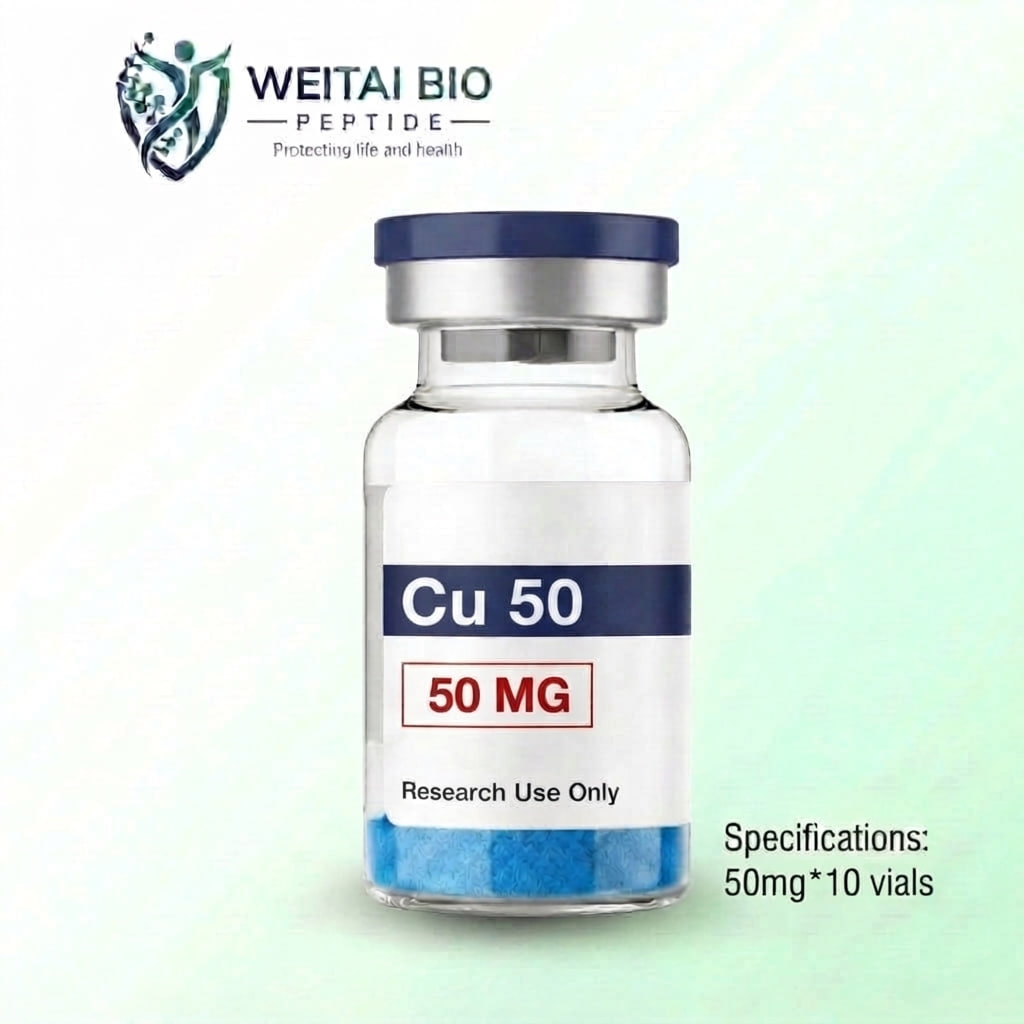
GHK-Cu(CU 50) is a copper peptide complex formed by the combination of the tripe...
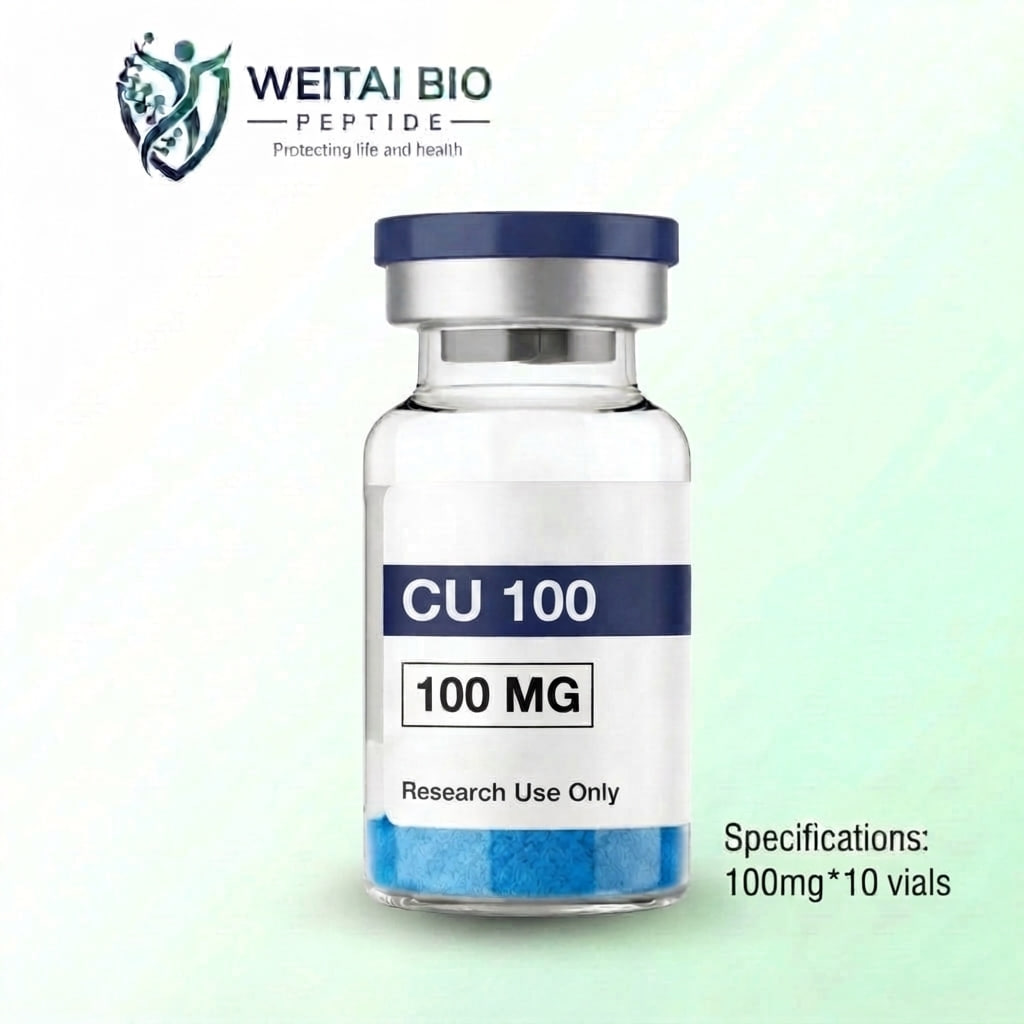
GHK-Cu(CU 100) is a copper peptide complex formed by glycine-proline-lysine trip...
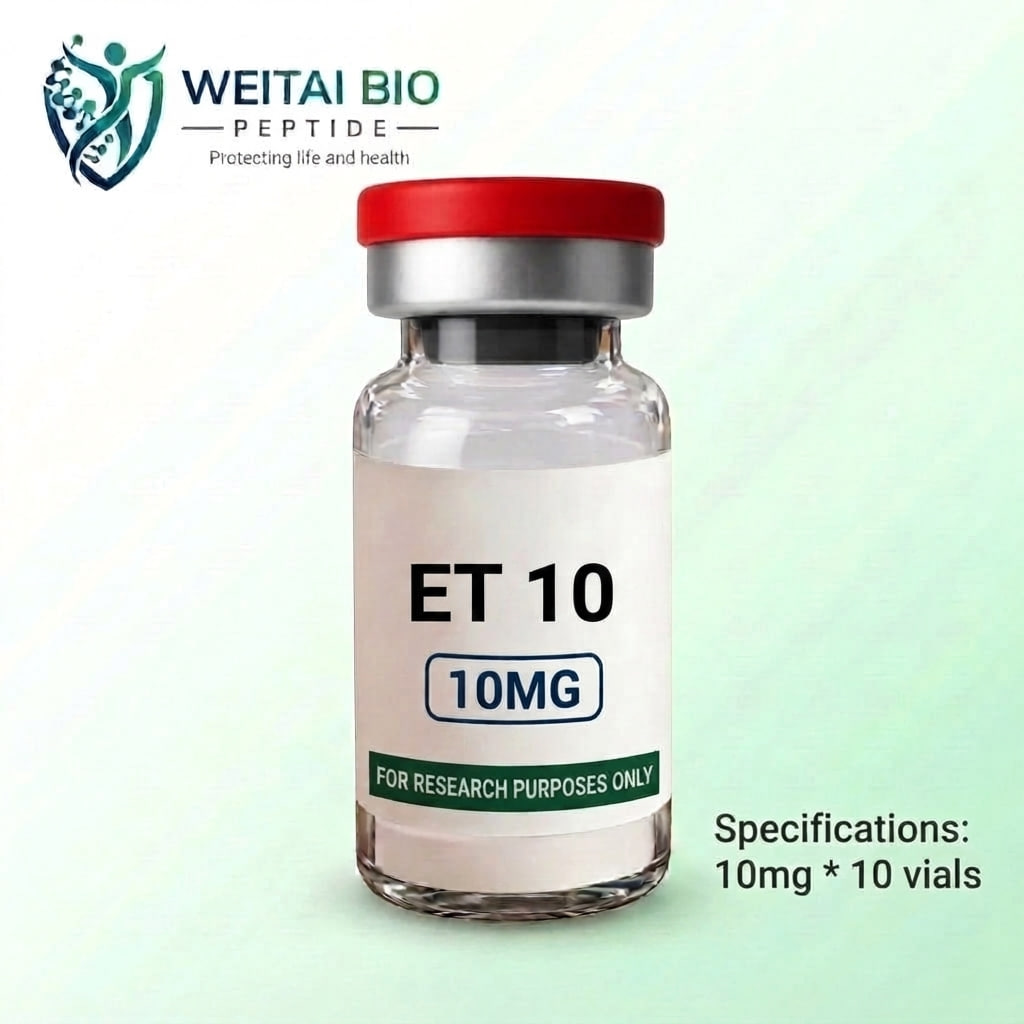
Epitalon (ET10) is a synthetic tetrapeptide research compound composed of four a...
Contact our team for volume discounts and custom peptide services
Weitai Bio is a national high-tech enterprise specializing in the research, development, production, and sales of peptide drugs. It is also a leading global supplier of high-quality peptides, consistently focusing on peptide drugs and small nucleic acid fields.